
Cutting the Cord in 2026: The Future of Television is Here
Smart IPTV Pro: Introduction
The Smart IPTV Pro, The era of expensive cable subscriptions and rigid programming schedules is rapidly fading into history. Today’s viewers demand flexibility, affordability, and quality—and that’s exactly what modern streaming solutions deliver. As traditional television continues its decline, a new generation of entertainment technology is taking center stage, offering unprecedented control over what we watch, when we watch it, and how much we pay for it.
Among the most revolutionary developments in this space is the emergence of advanced streaming protocols that transform ordinary televisions into powerful entertainment hubs. These systems leverage internet connectivity to deliver thousands of channels, on-demand content, and personalized recommendations—all without the need for satellite dishes, cable boxes, or long-term contracts. For anyone looking to break free from the limitations of traditional TV, this represents a genuine paradigm shift in home entertainment.
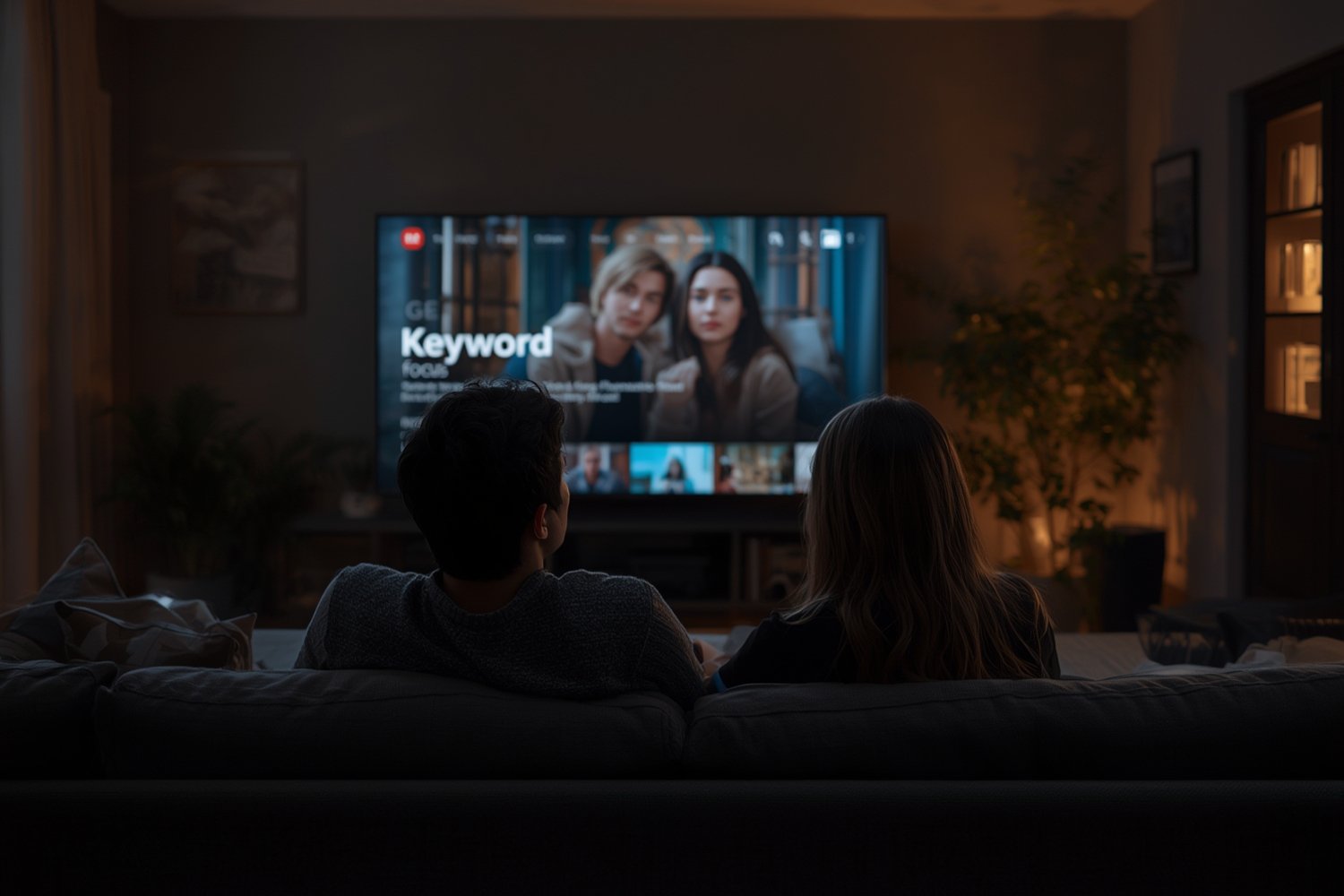
Required Equipment for Smart IPTV Pro 2026
To experience the full potential of modern streaming technology, you’ll need the right hardware foundation. The good news is that most households already possess many of the necessary components. A stable, high-speed internet connection is paramount—ideally fiber optic with speeds of at least 25 Mbps for HD content and 50 Mbps for 4K streaming. Your router plays a crucial role too; models supporting Wi-Fi 6E or Wi-Fi 7 standards offer the low latency and bandwidth required for buffer-free viewing, especially when multiple devices are connected simultaneously.
Streaming devices have evolved significantly, with options like the Nvidia Shield, Amazon Fire TV Stick 4K Max, and Apple TV 4K leading the pack. These devices support advanced codecs like AV1, which provides superior compression efficiency, allowing for higher quality streams at lower bitrates. This means you can enjoy 4K content without maxing out your internet connection. For those seeking the ultimate experience, dedicated Android TV boxes with powerful processors and ample RAM ensure smooth performance even during peak viewing hours.
Don’t overlook the importance of your display. Modern 4K HDR televisions with HDMI 2.1 ports are ideal, offering not just stunning picture quality but also features like variable refresh rates and low latency modes that enhance the viewing experience. If you’re still using older equipment, consider this an opportunity to upgrade—the difference in quality is truly remarkable.
For those wondering where to source reliable streaming services, smart iptv pro stands out as a trusted provider offering comprehensive channel lineups and excellent customer support. Their service integrates seamlessly with all major streaming devices and provides regular updates to ensure optimal performance.
Smart IPTV Pro Usage Overview: How Modern Streaming Compares
When evaluating entertainment options, it’s helpful to compare modern streaming solutions against traditional alternatives. Cable and satellite TV typically require lengthy contracts, expensive equipment rentals, and limited flexibility. You’re often stuck with hundreds of channels you never watch, paying premium prices for the few you actually enjoy.
In contrast, streaming-based entertainment offers remarkable advantages. The cost savings are immediate and substantial—most services cost a fraction of cable subscriptions while providing more content choices. The flexibility is unmatched; you can watch on multiple devices simultaneously, pause and resume across different screens, and access content from anywhere with an internet connection.
Channel selection has also evolved. Rather than being limited to whatever package your cable provider offers, you can customize your viewing experience with specialized playlists, international channels, and niche content that would never make it onto traditional TV. The integration of electronic program guides (EPG) provides the familiar channel-surfing experience while adding powerful search and recommendation features.
Perhaps most importantly, modern streaming adapts to your lifestyle rather than forcing you to adapt to it. Whether you prefer binge-watching entire seasons, catching up on missed episodes, or discovering new content through AI-powered recommendations, the system works around your schedule and preferences.
Smart IPTV Pro: Step-by-Step Setup Guide
Setting up your streaming system is straightforward, even for those who aren’t particularly tech-savvy. Begin by ensuring your internet connection is stable and fast enough for streaming. Run a speed test to confirm you’re getting the speeds you’re paying for, and contact your ISP if necessary to upgrade your plan.
Next, install your chosen streaming application on your device. This typically involves visiting the app store on your streaming device, searching for the application, and following the installation prompts. Once installed, launch the app and you’ll be guided through an initial setup process that includes account creation or login.
The critical step is configuring your content sources. This usually involves entering a URL or uploading a playlist file that contains your channel listings and VOD content. Most providers supply these details via email or through their customer portal. Simply input this information into the appropriate section of the app’s settings menu.
After configuring your sources, take time to customize the interface. Set up your favorite channels, adjust video quality settings based on your internet speed, and configure any parental controls if needed. Many applications also allow you to customize the electronic program guide, choosing which channels appear and how information is displayed.
For optimal performance, consider using a wired Ethernet connection rather than Wi-Fi, especially if you experience buffering issues. If Wi-Fi is your only option, ensure your router is positioned optimally and consider using a Wi-Fi extender to eliminate dead zones.
For those seeking the best possible experience, smart iptv pro offers comprehensive setup guides and 24/7 technical support to help you get everything running smoothly. Their team can assist with everything from basic installation to advanced configuration, ensuring you get the most from your streaming setup.
Smart IPTV Pro: Key Benefits of Modern Streaming Solutions
The advantages of embracing modern streaming technology extend far beyond simple cost savings. One of the most significant benefits is the ability to create a truly personalized entertainment ecosystem. Unlike traditional TV where everyone in the household watches the same thing, streaming allows each family member to maintain their own profiles, watchlists, and preferences.
Multi-device support means you’re no longer tethered to the living room television. Start watching a movie on your TV, continue on your tablet during your commute, and finish on your smartphone in bed. The seamless synchronization across devices ensures you never lose your place, and cloud-based recording means you can save content to watch later regardless of which screen you’re using.
AI-powered content discovery represents another major leap forward. Rather than scrolling endlessly through channel guides, intelligent algorithms analyze your viewing habits to suggest content you’re likely to enjoy. These systems learn from your preferences, considering factors like viewing time, genres you prefer, and even the types of shows you tend to binge-watch.
The quality of available content has also improved dramatically. With support for 4K resolution, HDR formats, and immersive audio codecs like Dolby Atmos, the home viewing experience can now rival or exceed that of commercial theaters. Advanced compression technologies ensure this high quality is delivered efficiently, without excessive bandwidth consumption.
Optimization Tips for Peak Performance for Smart IPTV Pro
Even with excellent hardware and a reliable internet connection, there are several strategies you can employ to optimize your streaming experience. Network optimization should be your first priority. If possible, connect your streaming device directly to your router using an Ethernet cable. This eliminates Wi-Fi interference and provides the most stable connection for high-bitrate content.
For those who must use Wi-Fi, consider implementing Quality of Service (QoS) settings on your router. This feature prioritizes streaming traffic over other network activities, ensuring your video content receives the bandwidth it needs even when other devices are active on your network. Most modern routers include this feature in their administration interface.
Content Delivery Networks (CDNs) play a crucial role in streaming performance. Choose providers that operate their own CDN infrastructure or partner with major CDN services. This ensures content is delivered from servers geographically close to you, reducing latency and improving load times. Some advanced users even configure their router to use DNS services that optimize CDN routing.
Virtual Private Networks (VPNs) can be valuable tools, particularly if you experience ISP throttling. Some internet providers deliberately slow down streaming traffic during peak hours. A VPN encrypts your traffic, preventing your ISP from identifying and throttling streaming content. However, be aware that VPNs can sometimes introduce additional latency, so choose a provider known for fast streaming speeds.
Regular maintenance of your streaming application is essential. Clear cache files periodically to prevent performance degradation, and ensure you’re always running the latest version of the app. Developers frequently release updates that improve stability, add features, and optimize performance for new devices and codecs.
Common Mistakes to Avoid for your Smart IPTV Pro
Even experienced users sometimes encounter issues that can be easily avoided with proper setup and maintenance. One of the most frequent problems is using outdated playlists or M3U URLs. Streaming providers regularly update their channel listings and source URLs, so it’s crucial to refresh your playlist at least weekly to ensure all channels remain accessible.
Codec mismatches can cause significant frustration. If you’re experiencing video playback issues, check that your device supports the codecs used by your content provider. While most modern devices support common formats like H.264 and H.265, some specialized content may require additional codec support or software decoding.
EPG (Electronic Program Guide) loading failures are another common issue. This often occurs when the EPG source URL becomes outdated or when there are network connectivity problems. Always verify that your EPG source is current and that your device has stable internet access when loading guide data.
Overlooking bandwidth requirements is a mistake that leads to constant buffering. Remember that 4K content requires significantly more bandwidth than HD, and multiple simultaneous streams multiply your bandwidth needs. Monitor your internet usage and consider upgrading your plan if you frequently experience buffering during peak hours.
Ignoring device storage limitations can also cause problems. Streaming applications require adequate storage space for cache files, updates, and temporary data. If your device’s storage is nearly full, performance will suffer. Regularly review and clear unnecessary files, and consider devices with expandable storage if you plan to use many applications.
Maintenance and Updates for Smart IPTV Pro
Maintaining your streaming system ensures long-term reliability and optimal performance. Establish a regular maintenance schedule that includes checking for application updates weekly. Most streaming apps offer automatic updates, but it’s wise to manually check periodically, especially if you notice any performance issues.
Playlist management requires ongoing attention. Set a reminder to refresh your M3U playlists and EPG sources regularly—ideally every few days for active users. This ensures you have access to the latest channel additions, removals, and schedule updates. Some advanced users automate this process using scripts or third-party tools that automatically refresh playlists at scheduled intervals.
Device maintenance extends beyond just the streaming application. Periodically restart your streaming device to clear memory and resolve any background processes that might be affecting performance. Check for firmware updates for your device itself, as manufacturers often release improvements that enhance compatibility and performance with streaming applications.
Monitor your internet connection quality using speed test tools. If you notice degradation in streaming quality, this could indicate network issues that need addressing. Document your typical speeds so you can quickly identify when performance drops below acceptable levels.
Keep detailed records of your configuration settings, including playlist URLs, EPG sources, and any custom settings you’ve configured. This documentation proves invaluable if you need to reconfigure your system or set up additional devices. Store this information securely but accessibly.
Conclusion and Next Steps fot Smart IPTV Pro
Embracing modern streaming technology represents a significant upgrade to your home entertainment experience. The combination of cost savings, flexibility, and content quality makes it an attractive alternative to traditional television services. By following the setup guidelines and optimization tips outlined in this guide, you can create a robust, reliable streaming system that delivers exceptional entertainment value.
Remember that the streaming landscape continues to evolve rapidly. Stay informed about new technologies, codecs, and services that could enhance your experience. Join online communities and forums where enthusiasts share tips, troubleshoot issues, and discuss the latest developments in streaming technology.
For those ready to make the transition or looking to upgrade their existing setup, smart iptv pro offers a comprehensive solution with reliable service, extensive channel options, and excellent customer support. Their platform is designed to work seamlessly with all major streaming devices and provides regular updates to ensure optimal performance.

Additionally, if you’re looking for guidance on getting started, be sure to check out the Best way to Use smart iptv pro in 3 Steps guide, which provides a straightforward approach to setting up and optimizing your streaming experience.
Frequently Asked Questions
What internet speed do I need for smooth 4K streaming with Smart IPTV Pro?
For reliable 4K streaming, you need a minimum of 25 Mbps download speed, though 50 Mbps or higher is recommended for the best experience, especially if multiple devices are using your network simultaneously.
Can I use Smart IPTV Pro streaming services on multiple devices at once?
Yes, most streaming services support multi-device usage. The exact number of simultaneous streams varies by provider, with many allowing 3-5 devices to stream concurrently under a single account.
How often should I update my Smart IPTV Pro streaming playlists?
For optimal performance, refresh your M3U playlists and EPG sources at least once a week. Active users may benefit from daily updates to ensure access to the latest channels and programming information.
Will a VPN improve my Smart IPTV Pro streaming quality?
A VPN can help if your ISP throttles streaming traffic, but it may also introduce additional latency. Choose a VPN provider optimized for streaming and test performance with and without the VPN to determine what works best for your situation.
What’s the best device for Smart IPTV Pro streaming in 2026?
The best device depends on your needs, but top performers include the Nvidia Shield, Amazon Fire TV Stick 4K Max, and Apple TV 4K. Look for devices with Wi-Fi 6E/7 support, AV1 codec compatibility, and ample processing power for smooth 4K playback.